


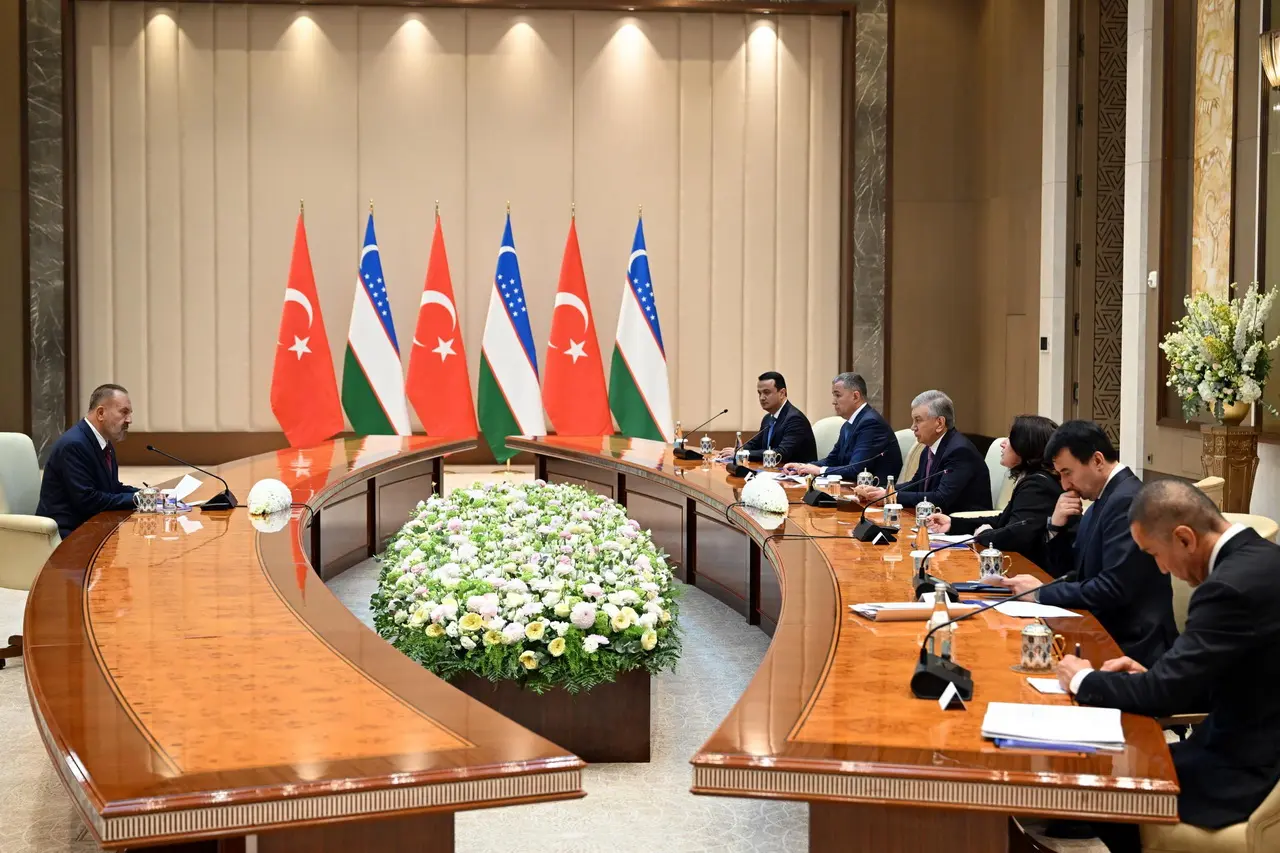
Turkish energy company Aksa Enerji is preparing to sign agreements within a week to take over management of electricity distribution networks in Uzbekistan’s Tashkent, Jizzakh and Syrdarya regions, the company’s board chairman Jemil Kazanci announced on 16 October following a meeting with President Shavkat Mirziyoyev.
The move would significantly expand Aksa Enerji’s footprint in Uzbekistan’s power sector beyond its existing management contract in Samarkand Region, which was awarded through an international tender announced by the Ministry of Economy and Finance in November 2025. That project, structured as a 30-year public-private partnership, requires the company to invest up to US$1 billion in modernising Samarkand’s electricity networks, with a minimum of US$350 million committed during the first decade and at least US$27 million within the first two years of taking over the infrastructure.
Kazanci said the company would review proposals put forward during the presidential meeting and submit its own before concluding the visit with signed agreements. The stated objectives across all projects are consistent: modernising distribution infrastructure, reducing electricity losses and lowering the cost of supply.
Assets Stay State-Owned
A key feature of the arrangement — established under the Samarkand model and expected to apply to the new regions — is that the electricity networks remain state property throughout. The private partner assumes operational and investment responsibility but acquires no ownership of the assets, a structure that allows the government to attract private capital and management expertise while retaining formal control of critical infrastructure.
Aksa Enerji’s engagement with Uzbekistan predates the distribution contracts. The company has already built four power plants in the country at a combined cost of US$750 million. Kazanci indicated the company now intends to broaden its presence further to include both electricity and gas distribution.
The discussions with Mirziyoyev covered expanding cooperation and the company’s role in the technological modernisation of Uzbekistan’s energy sector more broadly, with both sides agreeing to accelerate work on specific projects.
