


Listen to the article
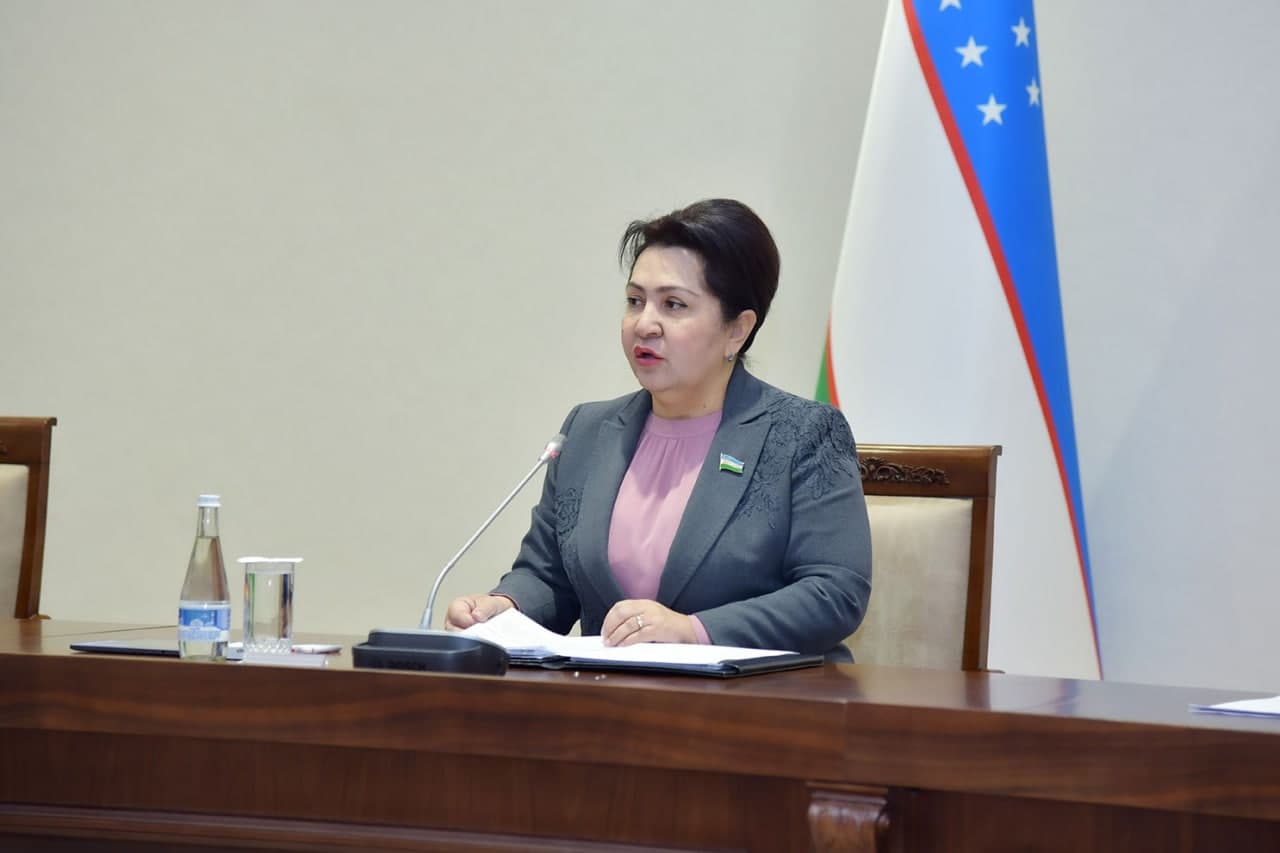
Tanzila Norboyeva, chairwoman of the Senate of Uzbekistan’s Oliy Majlis, used the chamber’s eleventh plenary session to deliver a pointed rebuke of local governors — hokims — who have been bringing already-spent budget funds to local council sessions and asking deputies to rubber-stamp the expenditure after the fact.
“Hokims are bringing spent budgets to local council sessions for approval — ‘this has been spent, please approve these costs,’ they say. This is wrong,” Norboyeva said, according to reporting by Kun.uz. She stated flatly that local councils are prohibited from operating in this manner, and that the proper role of a local council is to authorise budget spending before it occurs, not to validate it once the money is gone.
Norboyeva drew a direct comparison with the national level, where the state budget is passed by both chambers of parliament and signed by the president before a single sum is disbursed. She argued there was no legal or logical basis for local administrations to operate by a different standard. “We live in a rule-of-law state; we must get used to this,” she said.
Four Priorities for Local Councils in 2021
The Senate chairwoman set out four areas she said local councils should treat as priorities for the year. First, she noted that heads of local state bodies are already required by law to report to council sessions on more than twenty categories of issue, and that councils should ensure this obligation is fully reflected in their work plans rather than observed selectively.
Second, she called for rigorous oversight of local budget execution — the core of her criticism of the post-hoc approval practice. Third, she directed every district and city hokim to develop a targeted poverty-reduction programme for their territory by 1 February, with local councils then required to hear and debate progress reports on those programmes every quarter.
Fourth, Norboyeva stressed that implementation of the social-support registers known as the “iron notebook,” “women’s notebook” and “youth notebook” must be taken seriously. She said council members and sector heads should visit the home of every individual on the removal lists for those registers to verify their situation in person. Without that scrutiny, she warned, local councils risk becoming instruments that conceal problems rather than resolve them.
Deputies Unknown to Their Own Constituents
Norboyeva also raised a broader concern about the standing of local council deputies, noting that voters in many areas do not know who represents them and that complaints about deputies are numerous. She warned that any unresolved or poorly explained local issue damages public sentiment, implying that anonymous or inactive deputies compound rather than ease social tensions.
The session remarks signal an intent at the Senate level to push local legislative bodies toward a more assertive oversight role — one in which councils constrain executive spending rather than legitimise it retrospectively.