

Listen to the article
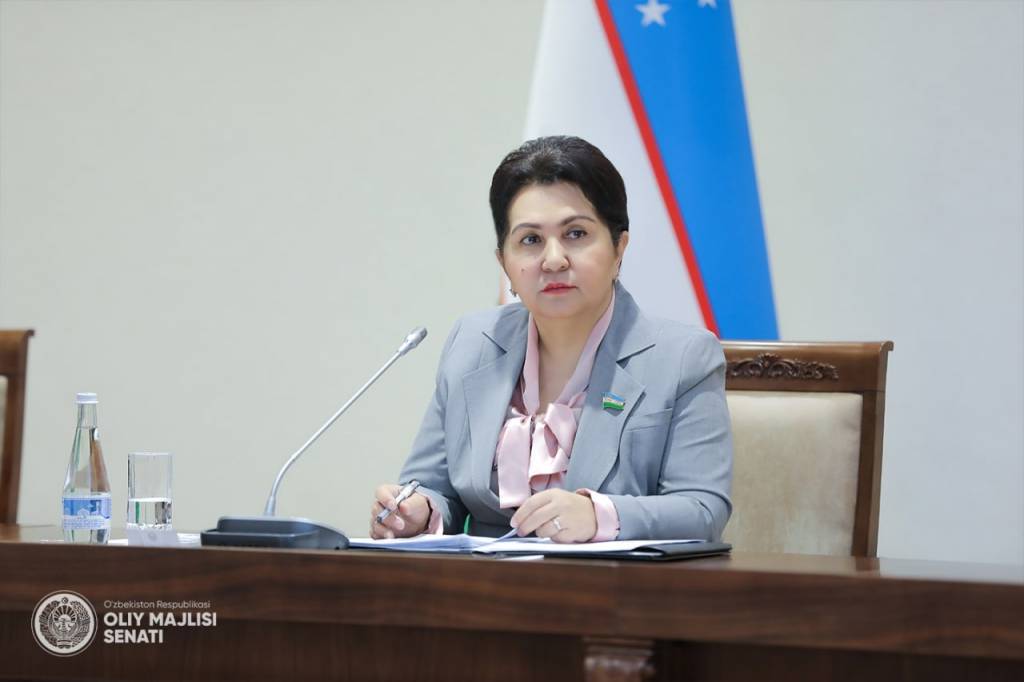
More than 301 billion soum was misappropriated from over 2,500 state budget institutions in 2020, Senate Speaker Tanzila Norboyeva told a plenary session of the Oliy Majlis Senate on 23 April 2021, declaring budget integrity the parliament’s foremost priority and calling for an immediate crackdown on embezzlement.
Norboyeva cited a sharp rise in the number of officials implicated in corruption — from 1,339 in 2019 to 1,723 in 2020 — as evidence that existing enforcement measures were falling short. She also flagged the artificial inflation of prices in public procurement as a particularly troubling pattern.
Corruption Embedded in Legislation
The Senate session heard findings from legal reviews across three sectors that revealed systemic vulnerabilities written into the regulatory framework itself. Of 44 legal instruments examined in the construction sector, 23 — just over half — contained a combined 124 corruption-enabling provisions. In healthcare, 13 of 70 instruments reviewed, or 19 percent, carried 41 such provisions. In education, 17 of 96 instruments, roughly 18 percent, contained 81 problematic provisions. The same concerns had been raised the previous day at a presidential videoconference on the services sector, where construction, healthcare and pre-school education were singled out as the areas of greatest deterioration.
Norboyeva called on the prosecutor-general’s office to take firm and effective action in each of these areas and to submit concrete proposals to the National Anti-Corruption Council.
Land Seizures and a Tenfold Surge in Irrigation Fraud
The session also exposed widespread violations in agriculture and land management. More than 10,000 hectares of land had been seized arbitrarily, while nearly 14,000 hectares were being used for purposes other than those for which they were allocated. A further 78,000-plus hectares had been distributed unlawfully, and thousands of tonnes of seed stock, mineral fertiliser, petroleum products and other resources had been misappropriated.
The figures for irrigation and land-reclamation funds were especially stark. Funds embezzled from allocations for irrigation and amelioration work rose from 1.7 billion soum in 2019 to 16 billion soum in 2020 — an increase of nearly tenfold in a single year. Criminal cases in that sector rose in parallel, from 92 in 2019 to 359 in 2020, a near-fourfold increase.
Local officials responsible for supporting private enterprise also drew criticism. More than 5,200 entrepreneurs had their rights violated; over 350 unlawful regulatory acts contrary to business interests were issued; and the problems of nearly 24,000 entrepreneurs — spanning credit, land, premises, utilities and licensing — were resolved only after the prosecutor’s office intervened directly. The Senate issued instructions at the close of the session to address these failures and prevent their recurrence.