

Listen to the article
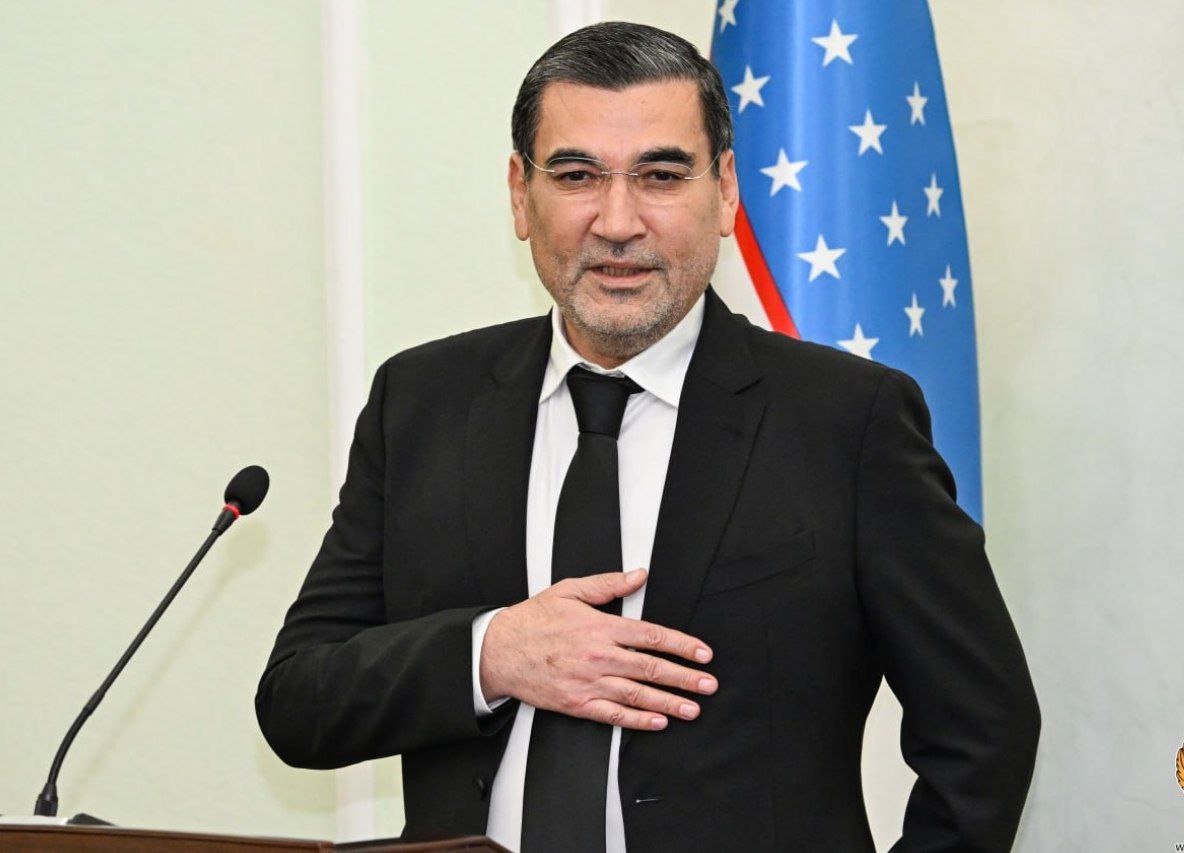
Batyr Ikramjanovich Rakhimov, the entrepreneur who founded Kapitalbank in 2001 and led the Pakhтakor football club for roughly two decades, was elected chairman of the Uzbekistan Tennis Federation on 17 February 2025, adding a prominent new institutional role to a business portfolio that spans banking, insurance, construction, food production and hospitality.
A Reshuffle Driven by a Parallel Appointment
The election took place at an extraordinary electoral conference convened jointly by the National Olympic Committee and the Ministry of Sport. The session was one of three held the same day across different federations. Rakhimov’s appointment was a direct consequence of a lateral move by his predecessor: Alisher Mirsоatov, previously the tennis federation’s chairman, was simultaneously elected head of the Uzbekistan Winter Sports Association at a separate conference held the same afternoon. Mirsоatov also holds the position of chairman of the management board of Uzbekmilliybank JSC, a state-linked commercial bank.
The back-to-back appointments illustrate a recurring pattern in Uzbek sports governance, where senior figures from finance and business rotate between federation leadership posts, often in coordinated sessions overseen by the Ministry of Sport and the National Olympic Committee. The ministry’s press service announced all three outcomes together, framing them as routine organisational matters.
Rakhimov’s Documented Business and Institutional Record
According to the Kun.uz report, which cites the Ministry of Sport press service, Rakhimov founded Kapitalbank—a private commercial bank—in 2001. He served as president of Pakhтakor, Uzbekistan’s most prominent football club, until 2017. He was also the former owner of the Hotel Uzbekistan, a landmark Tashkent property, and has founded companies operating across finance, insurance, consumer goods manufacturing, construction and food production. The source does not specify which of these enterprises he currently controls or manages.
The report also notes that in 2016 Rakhimov married Diyora Usmanova, the widow of Bobur Usmanov, who is described as a nephew of billionaire Alisher Usmanov. The detail is included as biographical context; the source makes no claim of any business or governance connection arising from that family relationship.
Governance Questions the Appointment Raises
Federation chairmanships in Uzbekistan carry real institutional weight: they influence budget allocation, athlete selection infrastructure, international affiliation and the awarding of commercial contracts tied to the sport. When a single individual simultaneously oversees a major private bank and a national sports federation, questions of resource allocation, sponsorship conflicts and transparency in procurement become legitimate public-interest concerns—even in the absence of any allegation of wrongdoing.
The source does not indicate whether Rakhimov retains an active executive role at Kapitalbank or any of his other enterprises, nor does it disclose whether the federation’s statutes require chairmen to declare conflicts of interest or recuse themselves from commercially sensitive decisions. Those gaps are material: the extent of any overlap between Rakhimov’s private business interests and the federation’s financial dealings cannot be assessed from the available record.
No statement from Rakhimov himself was included in the ministry’s announcement, and no independent commentary on the appointment was cited by Kun.uz. The article reports the election as a straightforward institutional event; no allegations of impropriety have been made by any party in the source material.