

Listen to the article
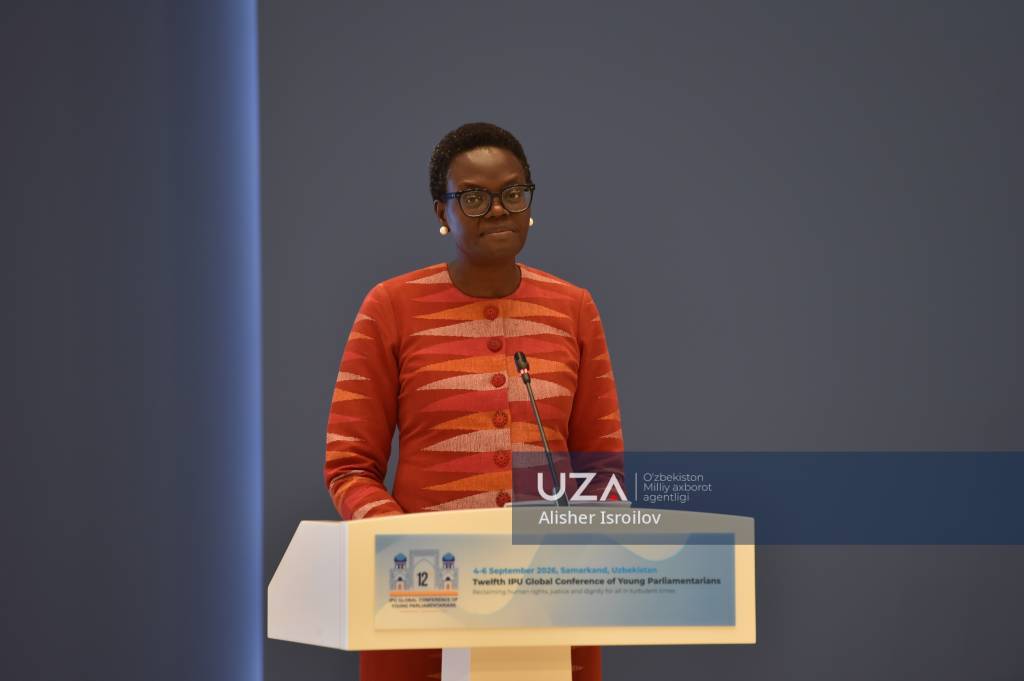
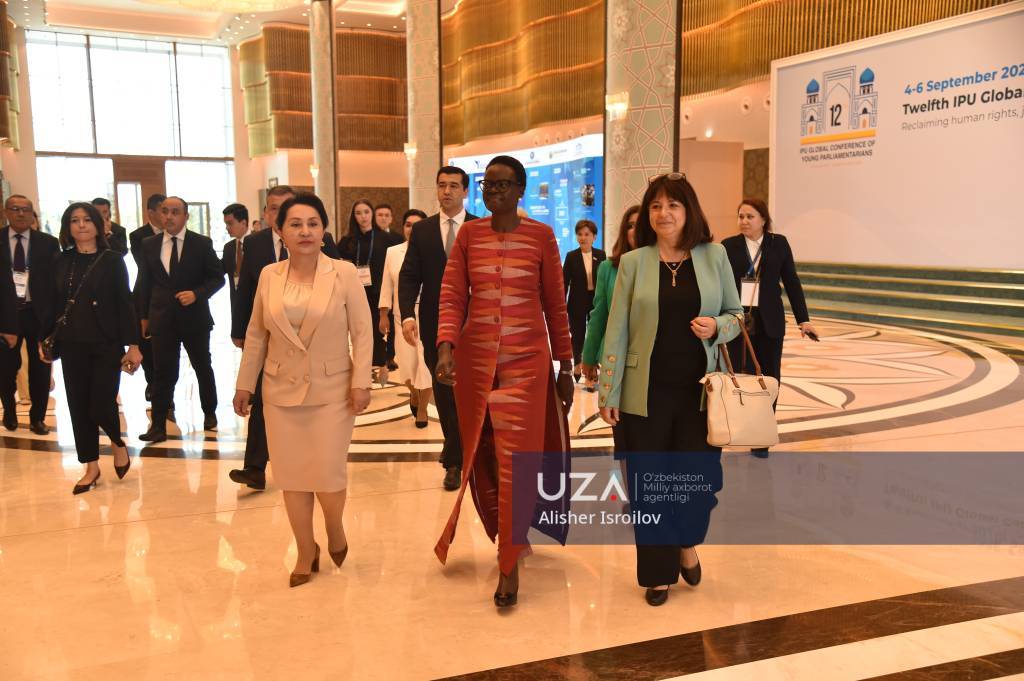
Inter-Parliamentary Union President Tulia Ackson opened the Samarkand Conference with a direct challenge to young lawmakers: use the parliamentary rostrum to demand accountability for human rights violations, and do not abandon those principles even as others retreat from them. Ackson thanked Uzbekistan’s leadership and parliament for organizing the event in Samarkand, which the IPU described as both historic and fitting for a gathering focused on the future of rights-based governance.
Ackson framed the conference against a deteriorating global backdrop. The world, she said, is passing through a difficult period in which the human rights situation is worsening across many regions and the number of armed conflicts has reached its highest level since the Second World War. She warned that current trends risk returning the international community to an era without functioning international law — one in which disputes are settled by force rather than by agreed norms — and called the dangers of that path well understood and urgent.
Compounding that concern, Ackson noted that after years of steady growth in youth representation within parliaments, that trend has reversed. She described the development as a risk in itself, arguing that without young people’s active contributions, parliaments cannot function as an effective pillar of human rights protection. The younger generation, she said, is more attuned to contemporary challenges and brings the fresh perspective that legislators urgently need.
The IPU’s Response: Human Rights as a Legislative Priority
Ackson said the IPU has moved to make human rights its top organizational priority and has launched a campaign called “Human Rights in Focus” to translate that commitment into action. She stressed that human rights cannot remain aspirational declarations: they must be secured through legislation, budgetary mechanisms, and active parliamentary oversight. Members of parliament, she emphasized, represent the people’s interests, and the international human rights system was built precisely to protect citizens.
On the practical tools available to young parliamentarians, Ackson pointed to labor laws, budget decisions, and oversight of the labor market as direct instruments of influence. She urged young lawmakers to use these mechanisms to ensure that government programs deliver tangible support to young people rather than remaining on paper.
New Frontiers: Climate and the Digital Environment
Ackson identified two emerging areas where human rights are increasingly at stake. On climate change, she argued that it directly affects human security and that young parliamentarians have a particular responsibility to defend the interests of future generations — specifically to prevent decisions that shift the consequences of climate-related problems onto young people who had no part in creating them.

The digital environment presents a separate set of threats, she said, including online violence, privacy violations, and the spread of misinformation. Ackson called on young parliamentarians to participate in developing the norms and rules that will govern the digital world, so that technology reinforces human rights rather than undermining them.
Building Alliances Across Generations
Ackson closed her address by calling on young parliamentarians to prioritize human rights and build intergenerational alliances with colleagues willing to act jointly. She described that kind of political determination as precisely what the current moment requires, and said the Samarkand Conference was designed to unite those efforts.
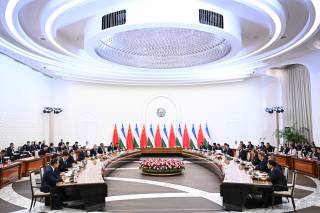
Over two days, participants are to examine youth rights in detail. Ackson said the central objective is for every delegate to return to their own country and parliament ready to defend those rights actively. She stated that the conference would produce a clear collective stance: young parliamentarians rejecting a world in which rights are diminished and injustice is widespread, and committing to defend the gains secured by earlier generations. The IPU, she said, would consistently support young people in that effort.