


Listen to the article
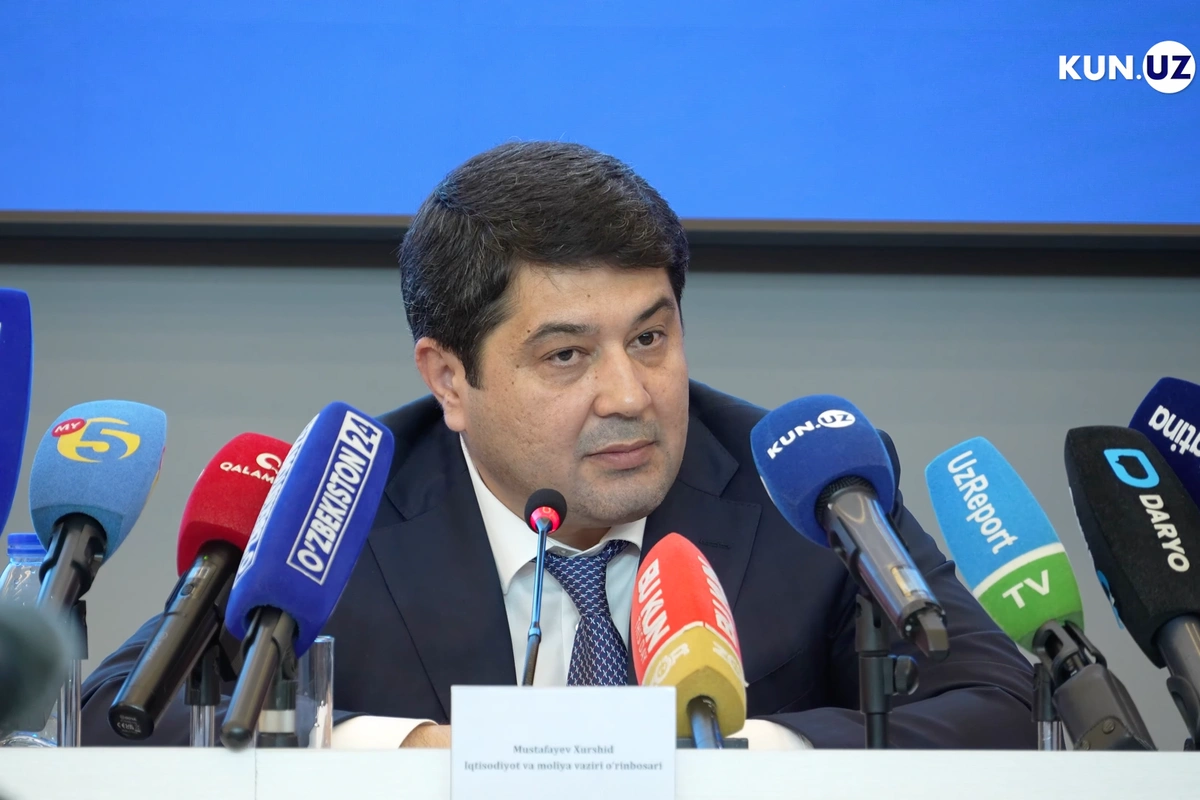
Centralized heating tariffs will be indexed to the annual inflation rate starting from 1 May 2028, but increases will be capped at 10% per year regardless of how high inflation climbs, Deputy Minister of Economy and Finance Khurshed Mustafayev announced at a press conference on 14 October 2026. Mustafayev oversees the oil and gas sector within the ministry.
The proposed ceiling is intended to give the government room to manoeuvre if the economic environment shifts sharply, rather than locking in a fixed percentage that might need to be revised by a separate decision. As of 1 October 2026, annual inflation stood at 6.4%, meaning that under the proposed formula, heating tariffs would rise by that figure in the first year of indexation — well below the 10% limit.
Why a cap rather than a fixed rate
Mustafayev argued that tying indexation rigidly to a specific figure — say, 5% or 6% — would create a problem the moment inflation moved above that threshold, forcing officials to issue a fresh decision to revise the rate upward. The 10% ceiling avoids that by allowing the actual inflation reading to determine the annual adjustment within a defined band.
Addressing concerns that the cap could be used to raise tariffs faster than underlying price growth, Mustafayev was direct: the increase would track actual inflation and would not exceed 10% under any circumstances. He described the arrangement as a safeguard rather than a loophole, noting that if inflation remained at 6% or 7%, tariffs would rise by exactly that amount from 1 May 2028 onward.
Parallel with electricity and gas
The heating proposal follows a model already in place for two other major household utilities. An identical annual indexation mechanism — inflation-linked, capped at 10% — has applied to electricity and natural gas tariffs for the population since the start of 2026. Commenting on a tariff increase that took effect on 1 June, Mustafayev noted that the combined rise across households, legal entities and certain large enterprises did not exceed 10% in aggregate, though some individual consumer categories saw higher adjustments.
The extension of this framework to heating would bring all three major residential energy services under a single indexation logic, replacing what had previously been ad hoc tariff decisions with a predictable annual schedule tied to macroeconomic indicators.
Longer-term cost reduction target
The tariff indexation plan sits alongside a separate government objective to reduce the cost of producing heat by 30–40% by 2030. If achieved, that reduction in production costs could in principle moderate the pressure on tariffs over the medium term, though the indexation mechanism itself is defined independently of production economics and will apply from 2028 regardless of whether the cost-reduction target is met on schedule.