


Listen to the article
Wizz Air has committed to placing Uzbek-speaking cabin and onboard supervisory staff on every flight it operates to Uzbekistan in 2025, following a formal investigation by the country’s Competition Development and Consumer Rights Protection Committee into a complaint that a passenger was denied safety information in his own language and then treated rudely when he asked for it.
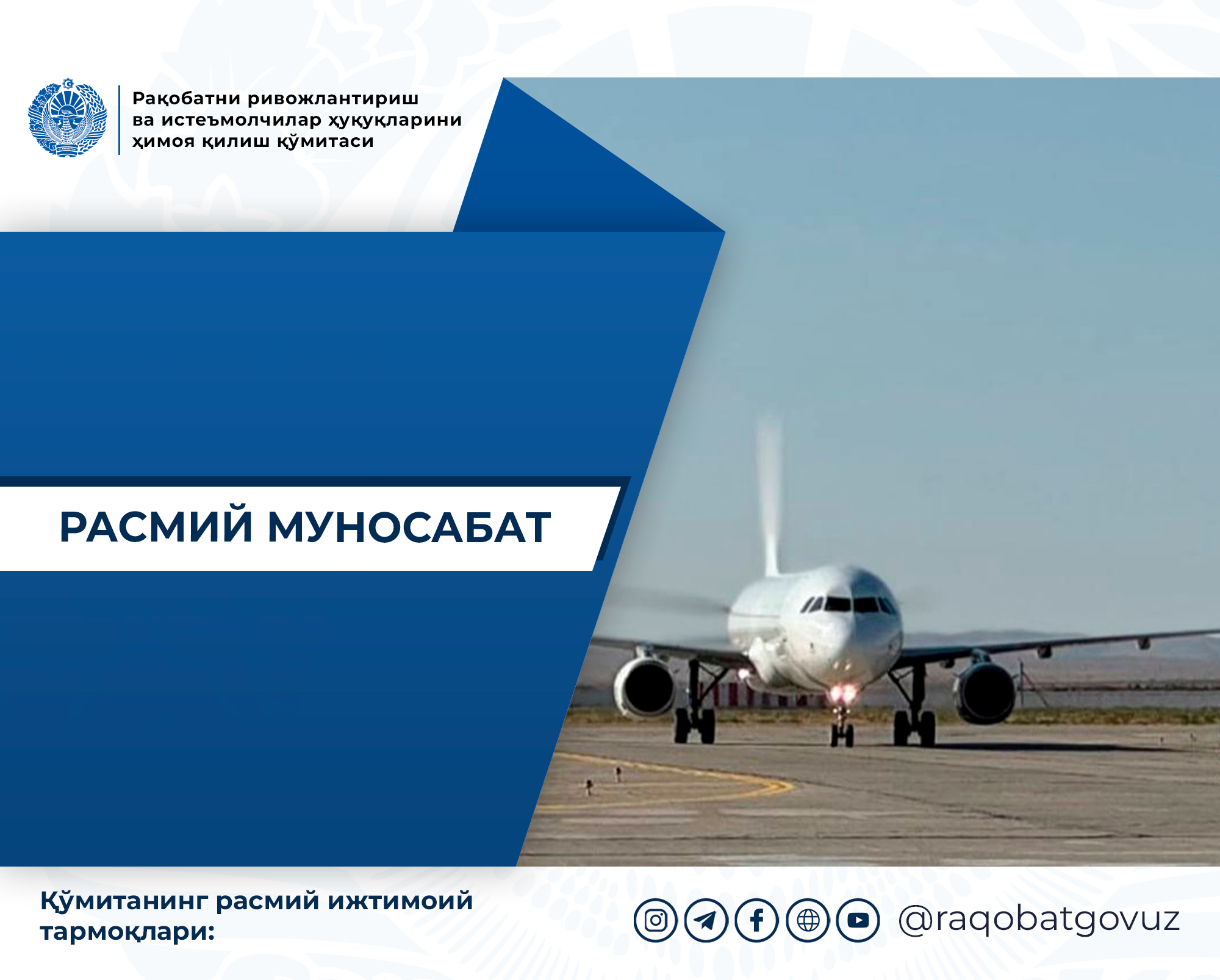
The case was brought by a traveller identified as R. Kusherbaev, who was aboard a Wizz Air service on the Samarkand–Abu Dhabi route. During the flight, the Committee’s inquiry found, crew members delivered safety briefings exclusively in a foreign language. When Kusherbaev asked for the information to be explained in Uzbek or Russian, a staff member responded with what the Committee described as rude treatment and demanded he leave the aircraft — yet he remained on board and completed the journey to Abu Dhabi.
Committee Presses Transport Ministry for Action
The Competition Committee sent a formal inquiry to the Ministry of Transport, which triggered disciplinary measures against the crew members responsible for the conduct. To address the underlying failures, the airline was required to enrol its cabin crew in training courses covering flight-safety procedures, standards of passenger service, the aviation laws and regulations of each country it serves, and respectful treatment of passengers.
The safety dimension of the episode is not trivial: aviation regulations in Uzbekistan, as in most jurisdictions, require that passengers be able to understand emergency instructions. Delivering those instructions solely in a language a passenger does not speak creates a genuine comprehension risk, not merely an inconvenience.
Systemic Fix for 2025 Flights
Beyond the disciplinary response, Wizz Air has undertaken to ensure that every aircraft serving Uzbekistan this year carries onboard supervisors and service personnel capable of operating in Uzbek. The commitment represents a structural change rather than a one-off remedy, and it follows directly from the Committee’s findings rather than from any voluntary initiative by the carrier.
The outcome illustrates how Uzbekistan’s consumer-protection framework can be used to enforce language and service standards on foreign airlines operating domestic and international routes through the country’s airports — a mechanism that may be of interest to other passengers who encounter similar problems on international carriers.